
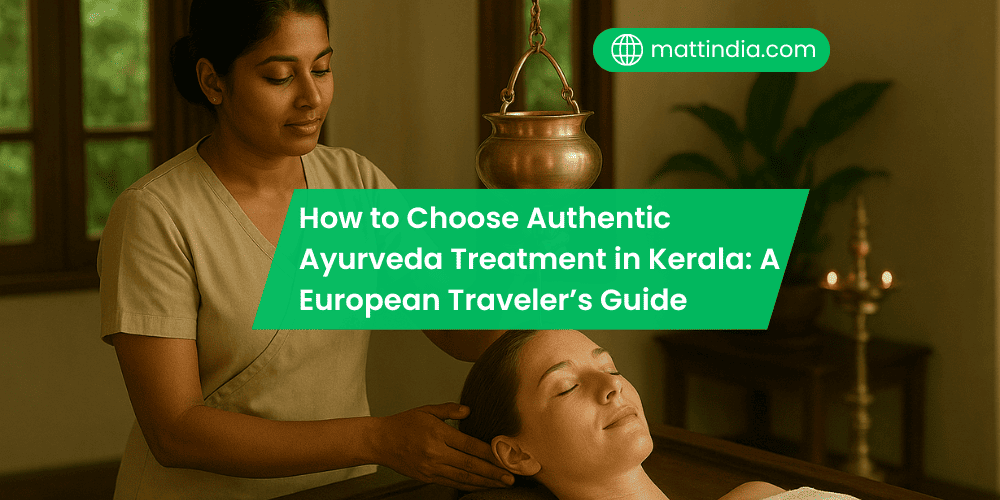
Planning a wellness journey to God’s Own Country can feel thrilling—and a little overwhelming.Kerala offers serene backwaters,rainforest air,and centuries of healing wisdom.Yet the sheer number of clinics,resorts,and retreats makes one big question urgent: how do you choose an authentic Ayurveda treatment in Kerala,especially when you’re traveling from Europe?This guide walks you through every key decision,from credentials to climate,so you can book confidently and return home genuinely renewed.
Why Kerala—and what “authentic” really means
Kerala didn’t earn its reputation by accident. The state nurtures classical Ayurveda with robust clinical education, standardized herbal pharmacopeias, and a living tradition inside families of Vaidyas (Ayurvedic physicians). However, authenticity isn’t a vibe; it’s verifiable. In practical terms, authentic Kerala Ayurveda means:
- Qualified BAMS doctors (Bachelor of Ayurvedic Medicine and Surgery) who examine you first—not just therapists.
- A written personalized treatment plan aligned with your Prakriti (constitution) and current Vikriti (imbalance).
- Standardized oils and decoctions prepared from GMP-certified pharmacies.
- Clear safety protocols and sensible integration with modern medicine when necessary.
When a center hits these markers, you can expect care that respects tradition and your wellbeing. Get Ayurveda Tour Package from Antwerp to Kerala.
Step 1: Verify medical credentials before you fall for the view
Stunning lagoons are a bonus, but your health comes first. Therefore, before you look at pool photos, check:
- Doctor profiles: Look for BAMS, MD (Ayurveda), or PhD (Ayurveda). Ideally, the chief physician meets you at intake and follow-up.
- Regulatory recognition: Authentic centers reference AYUSH guidelines; hospitals may mention NABH quality accreditation.
- In-house pharmacy and sourcing: Ask whether they use GMP-certified medicines from reputable Ayurvedic manufacturers, and whether they prepare fresh tailas (medicated oils) and kashayams (decoctions) as per classical texts.
Consequently, you avoid “spa-only” setups that rebrand oil massages as medical therapy.
Step 2: Demand a proper consultation—not a one-size-fits-all package
An authentic program begins with Nadi Pariksha (pulse reading), tongue and eye observation, history taking, and a conversation about your goals. As a European traveler, you might arrive after a long flight, so your physician should adjust timing and intensity. For example, a genuine Panchakarma plan usually includes Purva Karma (preparatory measures) before any cleansing. Meanwhile, lighter Rasayana and stress management protocols may suit short stays.
Ask for:
- A written treatment plan showing daily therapies, herbal support, diet, and rest.
- Clear contraindications and the right season for specific procedures (for instance, heavy detox during humid monsoon can be intense for newcomers).
Step 3: Understand real Panchakarma vs. “pamper karma”
Because the word sells, many places market “Panchakarma” as a string of massages. In reality, classical Panchakarma involves targeted cleansing—Vamana, Virechana, Basti, Nasya, and Raktamokshana—performed only when indicated. Before that, you undergo Snehana (internal and external oleation) and Swedana (therapeutic sweating). If a center promises “full Panchakarma in five days,” move on. Authenticity respects sequence, readiness, and recovery. Get Ayurveda Tour Package from Ghent to Kerala.
Step 4: Evaluate the therapy team and daily rhythm
Skilled therapists matter enormously. Look for:
- Consistent two-therapist synchronized treatments where appropriate.
- Training credentials, ongoing case supervision by physicians, and hygienic rooms with fresh linen.
- A daily rhythm that balances treatments, diet, yoga, breathwork, and rest—not a packed tourist schedule.
Moreover, request sample SOPs (standard operating procedures) for major therapies; authentic centers gladly share them.
Step 5: Scrutinize the diet—your kitchen is part of the clinic
Food is medicine. Thus, your diet plan should adapt to your dosha and current therapy stage. Authentic kitchens cook with local, seasonal produce; they avoid ultra-spicy or heavy fusion dishes that irritate the gut during detox. You should see:
- Simple saatvic meals with kanji, kitchari, or light vegetable stews when cleansing.
- Graduated samsarjana krama—the stepwise return to normal diet after purification.
- Gingerly reintroduction of coffee, dairy, and gluten if you usually consume them in Europe.
Step 6: Ask about integration with modern diagnostics
Authenticity does not reject science. Instead, responsible centers coordinate with nearby allopathic hospitals for labs, imaging, and emergency support. Especially if you manage chronic conditions (thyroid, hypertension, autoimmune issues), ensure:
- Baseline lab tests either before arrival or on day one.
- Medication cross-checks to prevent herb–drug interactions.
- Realistic timelines, since Ayurveda heals gradually and programs often continue at home.
- Step 7: Choose the right season and length for your goal
Kerala stays warm year-round, yet your treatment window matters. Traditionally, monsoon (June–September) supports deeper therapies because humidity opens pores and air cools; however, not everyone tolerates it well. Europeans unused to heat may do better in November–February. As a rule:
- 7 days: gentle de-stress, jet lag reset, and routine balancing.
- 14–21 days: meaningful Panchakarma phases or focused pain management.
- 28+ days: chronic conditions, metabolic reset, and rehabilitation.
Step 8: Read reviews the right way (and what to ignore)
Naturally, you’ll check ratings. Even so, look beyond generic “great massage” comments. Prioritize reviews that mention:
- Doctor-led care, detailed assessments, and consistent follow-ups.
- Specific outcomes (better sleep, improved digestion, reduced pain) that make sense clinically.
- Transparent pricing and aftercare guidance.
Ignore extremes without detail; instead, favor balanced, story-rich feedback. Get Ayurveda Tour Package from Leuven to Kerala.
Step 9: Plan logistics like a pro European traveler
Smooth logistics make healing easier. Therefore:
- Fly into Cochin (Kochi) International Airport or Trivandrum based on your center’s location; arrange airport pickup in advance.
- Confirm visa type and travel insurance that covers complementary medicine.
- Share your medical history and European prescriptions beforehand to avoid surprises.
- Pack breathable cotton, a refillable water bottle, a European-to-India plug adapter, and a small travel pharmacy.
Red flags that say “not authentic”
Even beautiful websites can hide poor practice. Walk away if you notice:
- No doctor consultation before therapies.
- Guaranteed “cure in 5 days” for complex diseases.
- No questions about your current medications or allergies.
- Massages sold as Panchakarma without Purva Karma.
- Fragrant oils that smell synthetic rather than herbal.
How to compare shortlists
Create a simple scorecard and rate each center on credentials, consultation depth, treatment design, medicine quality, kitchen standards, integration, and aftercare. You can certainly include well-known hospitals or retreats—such as established names like MATT INDIA AYURVEDA—in your shortlist; then verify the same objective checkpoints for each. This way, you choose on evidence, not on advertising. Get Ayurveda Tour Package from Hasselt to Kerala.
What authentic aftercare looks like
Real change continues at home. Consequently, your center should provide:
- A written aftercare plan with herbs (or European-available substitutes), dinacharya (daily routine), and yoga sequences.
- Guidance on returning to regular diet, caffeine, and exercise.
- A teleconsultation follow-up within 2–4 weeks.
Related Articles:
» Ayurveda Tour Package from Namur to Kerala
» Ayurveda Tour Package from Bruges to Kerala
» Ayurveda Tour Package from Mons to Kerala
» Ayurveda Tour Package from Liège to Kerala
» Ayurveda Tour Package from Arlon to Kerala
Sample 10-point checklist you can use today
- BAMS/MD physician on-site and leading the case.
- AYUSH/NABH compliance visible and verifiable.
- In-depth intake and pulse assessment before therapy.
- Clear, written treatment plan with goals.
- True Panchakarma sequence (not a spa package).
- GMP-certified medicines and in-house pharmacy standards.
- Trained therapists and hygienic therapy rooms.
- Individually tailored Ayurvedic diet with refeeding plan.
- Integration with modern diagnostics if needed.
- Concrete aftercare and follow-up schedule.
Print it, bring it, and evaluate each place with calm confidence.
Your Path to Authentic Ayurveda
Choosing authentic Ayurveda treatment in Kerala doesn’t require insider secrets; it requires structure. Verify credentials, insist on individualized plans, respect proper Panchakarma sequencing, and prioritize kitchens that treat food like medicine. Then, compare calmly using the 10-point checklist. With that approach, your Kerala journey—whether at MATT INDIA AYURVEDA or another accredited center—will feel restorative, responsible, and truly Ayurvedic.
FAQs: How to Choose Authentic Ayurveda Treatment in Kerala
For genuine Panchakarma Kerala, aim for 14–21 days at minimum. You’ll need time for preparatory Snehana/Swedana, the main procedure, and recovery diet. Shorter stays still help with stress relief and sleep, but deeper detox needs time.
Traditionally, June–September supports therapies because the air stays moist and cool. Nevertheless, many Europeans feel most comfortable between November and February. Choose the window your body tolerates well and the center can staff fully.
Yes. Authentic centers serving international guests employ English-speaking doctors and therapists. Moreover, written plans and diet charts typically come in English. If you prefer another European language, ask in advance.
Follow your aftercare plan. Generally, transition from light khichdi and soups to a full but balanced diet over a week. Continue warm, easy-to-digest meals; limit alcohol, ultra-processed foods, and late-night eating. Prioritize sleep, walks, and gentle yoga.
Look for BAMS/MD doctors, a proper consultation, GMP-certified medicines, individualized diet, and a written plan. If they promise a universal package or skip intake entirely, it’s not authentic Ayurveda.