
Panchakarma is commonly touted as a very restorative Ayurvedic course, but many are still uncertain about what truly happens before, during and after it. Will you feel lighter instantly? Can Energy Decrease During Treatment? How long will the results last?
The experience is different for everyone. Your age, digestion, routine, present health, stress level, and the therapies suggested by the Ayurvedic doctor will all affect the result. Hence, Panchakarma treatment should not be a ‘one-size-fits-all’ method.
At MATT INDIA AYURVEDA the idea of a personalized programme is not to promise a miracle transformation. Instead the emphasis is on guided Ayurvedic care, appropriate food, rest, therapeutic procedures and slow return to normal activity.
What Is Panchakarma?
Panchakarma is a traditional Ayurveda treatment which may involve nutritional conditioning, oil treatments, herbal steam, therapeutic cleansing procedures along with rest and post treatment dietary habits. The term generally refers to five key activities, but not every visitor will experience all five.
The Ayurveda treatment is customized for each individual and usually consists of diet, lifestyle changes, physiotherapy & herbal treatment. Simultaneously, the lack or conflicting scientific documentation for many Ayurvedic cures is also not convincing. Hence, suitable treatment involves rigorous evaluation, sensible targeting, and skillful management. Get Kerala Panchakarma Ayurveda Treatment Package.
Before Panchakarma: How Might You Feel?
Some people report feeling physically heavy, mentally fatigued, irregular in their eating habits or out of touch with a healthy daily routine before they start. Some typical reasons to go to a Panchakarma retreat in India could be:
- An irregular appetite
- Poor sleep habits
- Work-related stress
- A sedentary routine
- General stiffness or tiredness
- Frequent consumption of processed food
- A desire to reset daily habits
- Difficulty maintaining a balanced routine
Panchakarma is not to be confused with a cure for bodily illnesses. The doctor should make a thorough evaluation of chronic fatigue, pain, gastrointestinal disturbances, sleep impairment or unexplained weight fluctuations.
The Preparation Stage: Purvakarma
The standard Panchakarma course includes a preparation phase called Purvakarma. This stage assists the user to slowly become used to the easier routine before any severe procedure starts.
The doctor can prepare you with internal or external oiling, mild massage, herbal steam, warm foods, less stimulation and appropriate rest. The food is frequently lighter and easier to digest than the person’s normal diet.
During this period, you may notice:
- A temporary change in appetite
- More frequent bowel movements
- Mild tiredness
- Increased need for sleep
- Emotional sensitivity
- A desire for quiet time
- Reduced cravings for heavy food
However, conspicuous weakness, chronic vomiting, syncope, scathing diarrhea, respiratory troubles or extreme stomach aches ought not be confused with a typical detox response. Without such care, these symptoms could potentially warrant urgent clinical evaluation. Get Panchakarma Therapy in Kerala.
What Happens During Panchakarma?
The treatment stage varies considerably. According to the constitution, current imbalance in the person, physical strength, digestion system nature and physiological age of the patient along with his chronicity of versatility in use while causing treatment are mentioned as an important basis for selection of various therapies in Ayurvedic practices by a qualified Ayurvedic doctor.
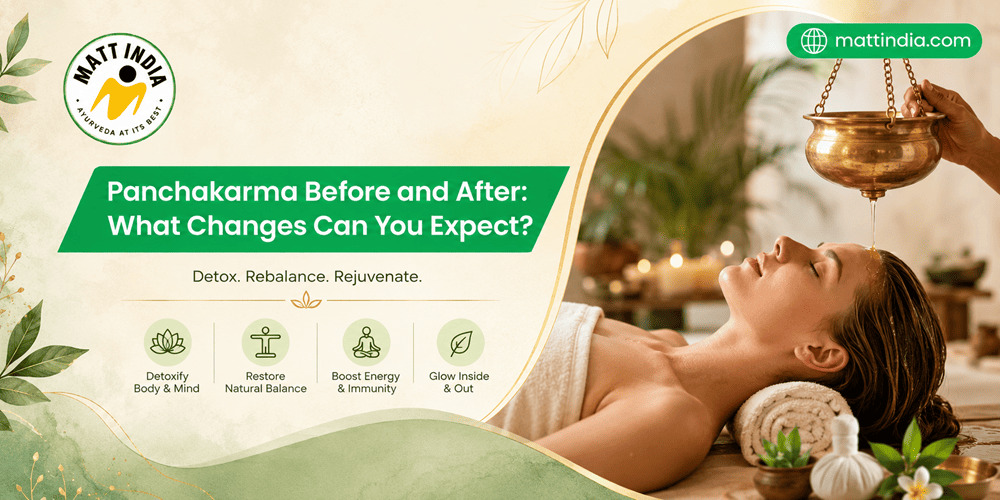
A programme may include therapies such as Abhyanga, Swedana, Shirodhara, Nasya, or a medically selected cleansing procedure. Some of these are supportive therapies rather than one of the five principal Panchakarma actions.
|
Programme element |
General purpose within Ayurvedic practice |
|
Abhyanga |
Warm oil application and therapeutic massage |
|
Swedana |
Herbal steam or controlled sweating |
|
Shirodhara |
Continuous flow of liquid over the forehead |
|
Nasya |
Supervised nasal administration |
|
Basti |
Medicated enema therapy under clinical guidance |
|
Virechana |
Physician-supervised therapeutic purgation |
|
Samsarjana Krama |
Gradual post-procedure dietary rebuilding |
Not everyone is suitable for intensive cleansing. Moreover, the selection, timing, and intensity should always remain under professional supervision.
Panchakarma After Treatment: Changes You May Notice
1. A Lighter Physical Feeling
After several days of simpler food, structured rest, and therapeutic care, some guests describe a sense of physical lightness. This may partly reflect reduced meal heaviness, improved routine, better hydration habits, and time away from alcohol or highly processed food.
Still, “feeling lighter” should not be confused with guaranteed fat loss or removal of scientifically defined toxins.
2. More Awareness of Hunger and Fullness
An arranged, quiet program is useful to make the simple cravings emerge. As a result, you may be less prone to any form of eating due to boredom, frustration or some other kind of habit.
This is where the biggest value added comes, usually in the days after retreat: eating proper meals, chewing well and stopping before full.
3. Improved Sleep Routine
Increased structure, less screen time, soft therapies and regular late nights can aid restful sleep. Consequently, it is easier for some visitors to go to sleep during or directly following their programme.
However, Panchakarma for improved sleep should never be a substitute for medical treatment of long lasting insomnia, sleep apnoea, depression or other sleep problems.
4. A Calmer Mental State
A retreat setting distanced from deadlines, traffic, social media and third world-levels of decision-making. Many of them subsequently feel mentally quieter.
On the other hand, emotional reactions can also emerge when the rhythm of life gets slower. This is not out of the ordinary, but serious anxiety and depression and psychological distress need to be addressed by a suitably qualified mental health practitioner.
5. Changes in Bowel Routine
Diet, hydration, herbal formulas and select procedures alter stool frequency or consistency for a period of time. Bowel habits will probably become stable only with the return of regular meals.
Severe, long lasting or bloody diarrhoea isn’t a well-being benefit and must be recognized in medical attention.
6. Greater Motivation to Continue Healthy Habits
Perhaps the most valuable Panchakarma before-and-after change is behavioural. After following a structured schedule, people may feel more motivated to maintain morning routines, regular meals, yoga, walking, breathing exercises, or earlier sleep times. Get Panchakarma Kerala Ayurveda Treatment.
What Panchakarma Cannot Promise
Marketing sometimes presents Panchakarma as a cure for almost every illness. Such claims can create unsafe expectations.
A responsible programme should not promise to:
- Cure diabetes, cancer, infertility, or autoimmune disease
- Replace prescribed medicines
- Guarantee permanent weight loss
- Remove all “toxins” from the body
- Reverse chronic disease within a few days
- Produce identical results for every guest
Many references to traditional medicine clearly support wellness and supportive care, but the WHO makes it clear that evidence, trained practitioners, quality assurance and safe practice frameworks are needed.
Related Services:
» Kerala Ayurveda Yoga and Ayurveda Retreats
» Rejuvenation Therapy in Kerala
» Kerala Ayurveda Obesity & Weight Loss Therapy
How Long Do Panchakarma Results Last?
The answer depends largely on what happens after the programme.
A person who immediately returns to irregular sleep, excessive alcohol, constant stress, and poor eating habits may lose the benefits of the retreat quickly. In contrast, someone who continues a practical routine may preserve the experience for longer.
Useful post-Panchakarma habits include:
- Eating freshly prepared meals
- Returning to exercise gradually
- Maintaining regular sleep hours
- Limiting very heavy food initially
- Drinking sufficient fluids
- Following only prescribed herbal advice
- Keeping follow-up appointments
- Avoiding self-directed cleansing at home
Related Articles:
» Kerala Ayurveda Retreats for Deep Sleep and Relaxation
» How Ayurveda Body Purification Therapy Restores Balance and Wellness?
» Kerala Ayurveda Packages: Plan Your Perfect Wellness Retreat in Kerala
» How an Ayurveda Anti Aging Package Helps Rejuvenate Body and Mind?
» Best Ayurveda Packages for Stress Relief and Better Sleep
Who Should Be Especially Cautious?
Not everyone is the right candidate for Panchakarma, especially when done without medical clearance. You need to be extremely careful if you are a pregnant or breastfeeding mother, child, frail elderly adult, person recovering from surgery, person with eating disorder history and people with major kidney disease and liver disease, heart disease or metabolic disorders.
Then also discuss with the Ayurved doctor all prescriptions, herbs, supplements, hypersensitivity situation and diagnosed conditions. Some Ayurvedic products may be bottomed on flowers, minerals, metals or animal – derived components. Thus, practically when bought is from the best sources accessible and taken just as expertly directed.
Planning Panchakarma at MATT INDIA AYURVEDA
Panchakarma is not a package deal, it starts with an assessment. Your programme must take into account digestion, strength, lifestyle, diet history and well-being abides by treatment objectives.
An introduction to the rejuvenation process for guests at MATT INDIA AYURVEDA can be considered a clean slate of time filled with rest, therapeutic care and habit building. These changes can be gradual, that is more tangible than dramatic However, for most, pausing and discovering how the body responds to food, sleep, movement and stress can itself be a pivotal shift.
FAQs on “Panchakarma Before and After”
An Ayurvedic consultation, health-history review, dietary instruction and a tailored treatment plan are all what you can expect. Releases all medicines, supplements, allergies and medical conditions.
Some fatigue may be due to changes in your diet, the need to exercise less or as a side effect of medications you are on. But, severe weakness, passing out, not being able to stay stable, or vomiting that lasts more than four hours should be evaluated right away.
Others become relaxed, rested or lighter in the body. Your fellow students might require days before they feel back to their normal levels of energy. It all varies with the treatments used and the health of an individual.
This can occur due to lighter meals and variations of water content in the stools or between body fluid balance. Panchakarma cannot be marketed as a certain or long-term weight-loss enhancement.
Over time, a structured diet and consistent timing of food may assist others in tuning into appetite and digestive comfort. However, chronic digestive symptoms still warrant correct and proper diagnosis.
Programs range from short introductory stays to longer physician-supervised programs. The answer to that question depends on your strength, history of health issues, goals and procedures.
More intensive work means less opportunity for rest. So a lot of people try to not overdo the professional duties, travel or screen time during treatment.
Typically, food comes back in small amounts, starting with warm, bland non-fibrous simple digestible foods. Stick to the dietary detailed recommendations provided by your Ayurvedic doctor.
Gentle movement or stretches may be introduced earlier. Do not jump back into the heavy gym training, long-distance running or intense exercise until your energy and digestion are evenly distributed.
No, some procedures are not right for pregnant women, frail individuals, children and people with serious medical conditions. A professional assessment is essential.
No. Do not stop or modify medications without the input from your condition treating clinician. Always mention all the treatments you take to your regular medical doctor as well as the ayurvedic physician.
Maintain a sleep cycle, eat healthy food regularly, exercise daily, avoid overstimulation and respect reasonable recommendations. Repeated extreme cleanses are unhealthy; what matters more is sustainable daily habits.