
Many people today are feeling fatigued, bloated, anxious and physically unwell. Unpredictable dietary patterns, inadequate rest, eating processed food products and working too much may result in digestive issues and general health problems. As a result, many people are seeking out natural methods to improve how they feel and restore a sense of equilibrium.
Ayurvedic detoxification offers a traditional method to cleanse the body with respect to what is consumed, how one conducts themselves on a daily basis, relaxing the body, and the individual’s specific body type. Rather than consuming a quick-acting detoxifying beverage, Ayurveda suggests that the individual makes long lasting changes in their life, and when required, seeks assistance from a healthcare provider for treatment.
But, how does Ayurveda remove toxins from our bodies, and what does it take to do so? By knowing both the ancient wisdom of Ayurveda and the current scientific understanding of Ayurveda, we will then have the knowledge to decide how to go about living our lives in a healthy manner.
What Are Toxins According to Ayurveda?
Ayurveda has a significant idea known as Ama, traditionally defined as partially digested products that are associated with poor digestion and metabolic dysfunction.
Ama can form when Agni, the digestive system’s “fire” is weakened or disrupted according to Ayurvedic theory.
- Traditional practitioners associate Ama with symptoms such as:
- Feeling heavy after eating
- Irregular digestion and bloating
- Reduced appetite
- Sluggishness and tiredness
- A coated tongue
- General physical discomfort
- Difficulty maintaining a consistent daily routine
The previous symptoms may indicate many other illnesses. Additionally, the concept of ama is a very old ayurvedic principle. It is different than a laboratory tested toxin that would be measured via blood work.
The current state of modern medicine recognizes numerous bodily structures that contribute to the processes of toxin removal and waste elimination (e.g., liver, kidneys, digestive tract, lungs).
The use of Ayurvedic detoxifying techniques may therefore be considered a useful complement to promote health and prevent illness. However, there appears to be no evidence that these techniques remove any specific type of toxin from the body. Get details on Kerala Ayurveda Yoga and Ayurveda Retreats.
How Does Ayurveda Support Natural Detoxification?
Ayurveda, throughout its history, has used many interconnected ways to cleanse the body. These ways of cleansing may include: changing what you eat, improving your ability to digest food, encouraging relaxation, and creating healthier lifestyle choices.
1. Strengthening Agni for Better Digestion
Ayurveda has a basic concept that underlies every aspect of the digestive process in the human body. This basic concept is called “Agni.” When a person’s Agni is working at its best, that person can use what they eat effectively.
The dietary guidelines suggested by Ayurveda include having consistent meals during the course of the day, preparing raw foods before every meal and consuming small portions of food during each meal.
Individuals can prevent indigestion in three ways: by eating slower, by eating fewer calories, and by selecting foods from the restaurant’s menu that will not result in indigestion.
The above-mentioned methods do not suggest that you have removed toxins from your system. Furthermore, consuming balanced diets will help to ensure that your digestive system functions properly.
2. Panchakarma: Traditional Ayurvedic Cleansing Therapy
Panchakarma treatment in Kerala is among the best-known approaches to traditional Ayurvedic purification.
The term Panchakarma refers to five classical therapeutic procedures.
These include:
|
Panchakarma procedure |
Traditional Ayurvedic purpose |
|
Vamana |
Therapeutic emesis in selected cases |
|
Virechana |
Controlled purgation |
|
Basti |
Medicated enema therapy |
|
Nasya |
Administration of substances through the nasal passages |
|
Raktamokshana |
Therapeutic bloodletting in selected classical traditions |
Traditionally, these procedures have been used in Ayurveda to treat certain types of imbalances within your Doshas.
On the other hand, there are times when Panchakarma is not suitable for everyone. There can be serious side effects from some of the methods used during the Panchakarma process including inducing vomiting, giving laxatives, performing enemas, and drawing blood. All of these procedures should be done with the supervision of a doctor.
As well, there isn’t any scientific data that supports the idea that Panchakarma will remove environmental contaminants (or other types of contaminants) from the human body. Looking for a Kerala Ayurveda Obesity & Weight Loss.
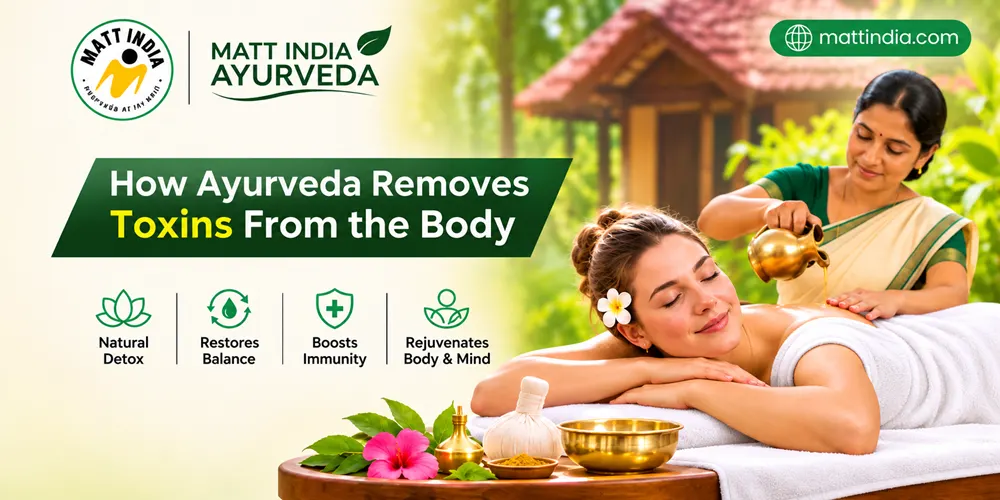
3. Abhyanga: Ayurvedic Oil Massage
An ancient, heated-oil massage called Abhyanga is a component of several different types of Ayurvedic health programs.
Massage therapists select an oil based on their client’s needs as well as the traditions associated with each different kind of massage therapy. Massage is performed using gentle, slow, and repetitive movements (strokes) that can be applied to many different parts of the body.
Many individuals may choose to receive an abhyanga massage because it has a calming effect on the body and can potentially relieve some of the aches and pains associated with daily life.
You will find that getting a massage can help you relax and reduce stress. The use of massage therapy as a method for the removal of toxic wastes through the skin has not yet been proven.
4. Swedana: Herbal Steam Therapy
Swedana Therapy is a safe way for people to use heat or herbal remedies in a controlled setting. Ayurvedic practitioners often include it within a broader treatment programme.
The use of heat can temporarily relieve muscle tightness and make a person sweat. Sweating is primarily done to keep the body’s internal temperature regulated, although it is not a major method of removing waste products from the body.
As well as being recommended for people who have had a heart attack, been dehydrated, or are sensitive to heat; it is advised that these individuals seek medical advice prior to undergoing steam therapy.
5. Supporting Wellness Through Ayurvedic Herbs
In addition to being a part of many traditional Indian diets, Ayurvedic medicine uses many other herbs in its health practices. Some of these include: triphala, ginger, turmeric, and cumin.
The application history for each item listed can vary. For example, ginger is most commonly used in products that are designed to help support healthy digestion.
While many herbal products may be effective, safe, and of high quality, others are not. There are many supplements that can potentially interact with other medications prescribed to you by your doctor. Additionally, some poor-quality Ayurvedic products have been shown to contain unsafe levels of heavy metals.
Therefore, if you take medication regularly, you must obtain advice from a health care professional prior to using any type of herbal product.
Ayurvedic Detox Diet: Foods That Support Healthy Digestion
Food forms an important part of Ayurvedic cleansing and rejuvenation. Instead of encouraging extreme fasting, a balanced approach prioritises nutritious meals and sufficient hydration.
|
Food or habit |
Potential wellness benefit |
|
Freshly cooked vegetables |
Supply fibre, vitamins and minerals |
|
Moong dal and other pulses |
Provide protein and dietary fibre |
|
Whole grains |
Support regular bowel movements |
|
Ginger in cooking |
May improve digestive comfort |
|
Seasonal fruits |
Provide water, fibre and nutrients |
|
Drinking adequate water |
Supports normal kidney function |
|
Limiting heavily processed foods |
Can improve overall dietary quality |
The traditional Ayurvedic diet is based upon the individual’s Vata, Pitta, and Kapha Doshas.
However, the classifications above are from the Ayurvedic medical system and therefore do not take the place of an individual’s evaluation by a doctor or dietitian. Get details onAyurveda Skin & Beauty Care Therapy.
Can Ayurveda Naturally Cleanse the Liver and Kidneys?
People are frequently seeking out a natural way to clean their liver through Ayurveda, as well as a natural approach to cleaning out their kidneys.
Your kidneys are continuously filtering your blood so that you can create urine, which contains waste products. In addition to processing chemicals, your liver plays a role in metabolism and helps your body process what may be harmful chemicals.
Neither organ generally requires a special cleansing programme. On the other hand, the practices of eating right (nutrition), drinking enough water (hydration), sleeping well (rest), and not overdoing it on the alcohol (moderation) are other ways that you can maintain your overall health.
People who have been told by a doctor that they have a liver or kidney problem should not attempt to use unsupervised detoxification treatments and should talk with their healthcare professional about other treatment options.
Related Services:
» Kerala Ayurvedic Detox Package
» Kerala Ayurveda Anti-Aging Package
» Rejuvenation Therapy In Kerala
» Kerala Ayurveda Joint Care Package
Why Are Ayurvedic Detox Retreats Popular in Kerala?
People are always looking for a natural liver cleanse and a natural kidney cleanse using ayurveda. The healthy kidneys constantly clean the blood by producing urine which eliminates the waste products. Also, the liver processes various substances, participates in metabolizing food and helps the body process potentially harmful substances.
Neither organ generally requires a special cleansing programme. In contrast to the above, there are other methods for maintaining a person’s general physical well-being through maintaining proper nutritional intake, adequate hydration, sufficient rest, and moderate consumption of alcoholic beverages.
People that have been diagnosed with a kidney or liver disease by a physician should not try to treat themselves without supervision using detoxification products; instead they should discuss alternate methods of treating their condition with their primary care physician.
How Long Does Ayurvedic Detoxification Take?
There is no scientifically established number of days required for Ayurveda to remove toxins. Nevertheless, traditional Ayurvedic wellness programmes may vary in duration depending on their goals.
|
Programme duration |
Common wellness focus |
|
3–5 days |
Rest, massage and introductory wellness practices |
|
7 days |
Relaxation, dietary routines and lifestyle guidance |
|
14 days |
Extended wellness and personalised traditional therapies |
|
21 days |
Longer residential Ayurvedic programmes under professional supervision |
The duration of the treatments listed above are for illustrative purposes and do not represent a proven detoxification result. In addition, all intensive Panchakarma treatments will be customized to each person’s needs instead of being scheduled in advance. Looking for a Kerala Ayurveda-Detox-Paket.
Simple Ayurvedic Lifestyle Habits for Everyday Wellness
Taking time off from your everyday life will allow you to begin to include some of the lighter Ayurvedic practices into your daily routines. Eat the same every day. Be prepared to prepare a variety of healthy food (vegetables, beans, peas etc.) as part of your daily meals.
A balanced lifestyle can be maintained by engaging in moderate levels of physical activity (i.e., walking or low-impact yoga), and maintaining a regular sleep schedule which will provide you with adequate rest. Breathing exercises, meditation, and/or short-term relaxation therapies can all help reduce your stress level.
If you wish to lower the number of hours you go without eating, cause yourself to vomit, and use herbs you have probably never heard of to rid your body of toxins.
Related Articles:
» Ayurvedic Detoxification: How It Works and It’s Beneficial
» Importance of Ayurveda in Detoxifying Your Body
» Ayurveda Detoxification Therapy: A Natural Way
» Detoxify and Revitalize with Ayurvedic Panchakarma
» Ayurveda and Panchakarma: Cleansing and Detoxifying
Final Thoughts
The most effective manner to comprehend how Ayurveda removes toxic materials (toxins) from the physical organism is to appreciate the traditional views of digestive wellness/homeostasis, Ama, lifestyle control/regulation, and cleansing treatments.
While Ayurveda offers several different ways for people to cleanse their bodies, there is no scientific evidence to support the idea that these methods provide a means of removing specific types of toxins from the body as effectively as the body’s natural processes do.
Conversely, many of the less demanding types of Ayurvedic-based practices including consuming a balanced diet, obtaining sufficient rest, engaging in physical activity regularly, and obtaining sufficient sleep can be integrated into a person’s general health and wellness plan.
Matt India Ayurveda can serve as a perfect starting place for anyone wishing to receive the benefits of traditional Indian Ayurvedic medicine in Kerala and to have a restorative wellness experience provided by professional guides.
FAQs: How Ayurveda Removes Toxins From the Body
Ayurvedic medicine is based upon the principles of maintaining proper digestion, controlling Ama (toxins) and utilizing cleansing methods. The treatments at MATT INDIA AYURVEDA eliminate particular toxins from the body, there is a wealth of clinical experience that suggests otherwise.
Ama is a traditional Ayurvedic term that describes a condition of partial digestion and an unhealthy metabolism. Ayurvedic practitioners consider Ama to cause a disruption in the body’s natural state of health. It should be noted that Ama is not a medical identification for a harmful chemical substance.
Panchakarma is generally defined as an Ayurvedic cleansing process. What treatment is most effective for an individual depends on that individual’s specific health requirements. A number of treatments may result in severe health problems. Therefore, prior to beginning an aggressive cleansing regimen, it is crucial that a licensed practitioner assess if a proposed treatment plan is appropriate for the individual.
Kerala’s traditional Ayurvedic health centers can be found throughout the state, as well as a number of residential treatment programs. A good example of a residential treatment program is Matt India Ayurveda. Before you enroll in any residential treatment program, make sure that the center provides the type of treatment you want, that the practitioners at the center are trained to provide that treatment.
An Ayurvedic lifestyle is based upon several principles such as eating at consistent times each day, eating in a mindful manner and consuming a healthy, balanced diet. These principles are intended to assist in improving the ease of digestion of food and in promoting a consistent schedule of bowel movements. If you have been suffering from chronic digestive issues, then you should consider consulting with a healthcare professional.
Traditional wellness retreats offer programs that last from seven to twenty-one days. The ideal duration of a wellness program depends on the number of activities scheduled during the program, as well as the participant’s overall physical condition which affects his/her ability to participate in those activities. To date, there is no evidence to suggest that a certain amount of time is needed to eliminate toxins from the body.
Panchakarma is a traditional Ayurvedic treatment approach offered by some qualified centres in Kerala. Travellers considering MATT INDIA AYURVEDA should enquire about programme availability, practitioner supervision and individual eligibility. Intensive Panchakarma procedures should never begin without proper health assessment.
Ayurvedic oil massage may encourage relaxation and ease temporary muscular discomfort. However, there is no reliable evidence that massage physically removes toxins from tissues. The liver and kidneys remain the body’s principal organs for processing and eliminating many waste substances.
Traditional programs typically consist of cooked vegetables, rice, moong dal, seasonal fruit and appropriate seasoning. Meals should be prepared based on individual nutritional requirements and specific health conditions. For most individuals there is no need for severe dietary restrictions that could result in adverse effects.
Some retreat participants may experience weight changes after modifying their diets and activity levels. Nevertheless, detoxification treatments have not demonstrated reliable long-term weight-loss benefits. Sustainable weight management depends on appropriate nutrition, movement and other individual health factors.
No, intensive Ayurvedic cleansing procedures are not suitable for everyone. Pregnancy, certain medical conditions, medication use and dehydration risks can make particular therapies unsafe. Always consult appropriate healthcare professionals before starting an intensive programme.
MATT INDIA AYURVEDA offers a Kerala-focused option for people interested in traditional Ayurveda and restorative wellness travel. Visitors can enquire about suitable programmes, accommodation arrangements and available therapeutic guidance. Choosing a programme that prioritises professional supervision, comfort and realistic health expectations is essential.