
Kerala is famous for its combination of medicinal herbs with therapeutic warmth and hands-on dexterity. Of these standard treatments, Kizhi therapy Kerala has gained huge popularity that assists individuals with stiffness of the body, fatigue of muscles and joints as well as overall vitality.
On the surface, Kizhi looks like a breeze. But the treatment is a bit more than just placing a warm herbal pouch on the body. These sachets contain herbs, powders or other ingredients that are chosen based on the patient’s condition. Similarly, the temperature, pressure and time are not always the same.
So if anyone is planning for an Ayurveda Treatment in the land of Ayurveda Kerala, they better read properly what Kizhi involves and what happens there.
Hence, before you head out to Kerala for your Ayurveda treatment, the most important thing that you should be aware of is Kizhi and what actually happens when it comes to a session.
What Is Kizhi Therapy?
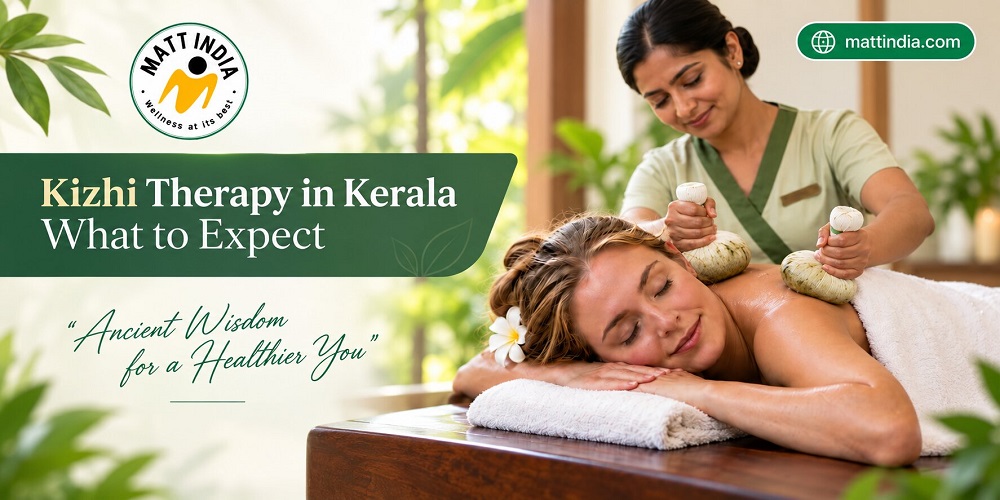
Kizhi is an ayurvedic treatment where medicinal substances are put inside small pouches or boluses made out of cloth. These packets are heated and then rhythmically placed onto certain parts of the body.
Practitioners use herbal leaves, powders or medicated ingredients for preparing the bolus in each type of therapy while cooked medicinal rice is also used. As Kerala Tourism describes it: Kizhi is a treatment where heated herbs, powdered substances and oils are tied up in bags dipped in oil and applied to various parts of the body with controlled pressure.
Kizhi is broadly categorized under the Ayurvedic therapy called Swedana, which comprises therapeutic fomentation. But it should also not be seen as one single standard massage for all. Depending upon the symptoms, body constitution and treatment goals, an Ayurvedic physician might choose a particular Kizhi.
Popular Types of Kizhi Therapy in Kerala
One reason people search for Kerala Kizhi treatment is the number of variations available.
Ela Kizhi or Patra Pinda Sweda
Ela Kizhi uses selected medicinal leaves and other herbal ingredients. The bundles are usually warmed and applied over the muscles and joints. It is commonly associated with musculoskeletal Ayurveda programmes.
Podikizhi or Choorna Pinda Sweda
In Podikizhi, herbal powders form the main ingredient inside the cloth bundle. Kerala Tourism-listed Ayurveda centres commonly include Choorna Swedam or Podikizhi among their available Ayurvedic therapies.
Njavara Kizhi
Njavara Kizhi, also known as Shashtika Shali Pinda Sweda, uses specially prepared medicinal rice. This form is generally softer and nourishing compared with some dry or strongly warming Kizhi procedures.
Muthira Kizhi
Muthira Kizhi uses horse gram as a main component. Unlike heavily oil-based versions, it may be performed as a relatively dry fomentation depending on the treatment protocol.
Because each type serves a different purpose, choosing a Kizhi only because it appears popular online is not advisable.
What Happens Before Kizhi Treatment?
An Ayurvedic Kizhi procedure should start with consultation, rather than straightaway stepping into a therapy room.
The very first thing is that an Ayurveda physician will ask about your present sufferings, medical history, digestion power, sleep, daily routine and previous treatment. In addition, when appropriate the doctor may check out the impacted joint or muscular area.
After assessment, the doctor decides:
- Type of Kizhi therapy
- Ingredients used in the herbal bolus
- Whether medicated oil is required
- Area of treatment
- Temperature and pressure
- Session duration
- Number of recommended sessions
This personalised approach matters because an intense warming therapy that suits one person may not suit another.
Related Services:
» Rejuvenation Therapy In Kerala
» Kerala Ayurveda Yoga and Ayurveda Retreats
» Kerala Ayurveda Body Immunization
» Kerala Ayurveda Wellness Reise-Paket
» Panchakarma Therapy In Kerala
What to Expect During a Kizhi Session
In the beginning, the herbal bundles are prepared by the therapist based on doctor treatment guidelines. In the case of Kizhi, it differs in type, and they rub on the pouch by medicated oil or anything as a suitable prescribed medium for warmth.
After that the therapist checks his or her temperature before physically touching the body.
The warm Kizhi is then placed on your body with rhythmic pressing, tapping or circular movement. Therapists often devote more attention to certain joints, muscles or regions of rigidity.
You will generally feel a lot of heat here, but it should be manageable. So if the bundle feels way too hot, let your therapist know right away.
The exact duration varies. As an example, a Kerala Tourism listed rejuvenation programme includes leaf bundle Kizhi sessions for about 45 minutes. But this should be regarded as not a timeframe for every patient.
What Are the Potential Benefits of Kizhi Therapy?
Many people with a musculoskeletal-related disorder, as well as for relaxation will want to explore Kizhi therapy benefits.
Traditionally, Kizhi could be integrated into Ayurveda courses designed to aid:
Joint comfort: Warmth and rhythmic input may soothe stiffness feelings.
Relaxation of the muscles: By applying warm herbal boluses around tired muscles, you will have a feeling of comfort.
Mobility assistance: Reduced stiffness can feel like easier movement for some individuals.
Local circulation: Warm applications naturally encourage increased blood flow around the treated area.
General relaxation: Many visitors find the repetitive, warm application calming.
Kerala Tourism information cites Kizhi as a technique used traditionally in treatments for osteoarthritis, arthritis associated with swelling, spondylosis and sports injuries. Diet: However, Ayurvedic doctors recommend that people with diagnosed medical conditions look upon Ayurveda as physician-guided therapy rather than a cure-all involving assuming Kizhi will cure root disease.
Is Kizhi the Same as an Ayurvedic Massage?
Not exactly.
A normal Ayurvedic oil massage mainly involves applying medicated oils through specialised hand movements. Kizhi, meanwhile, uses heated medicinal bundles as the primary therapy tool.
Moreover, the purpose can differ. Massage may focus broadly on relaxation and oil application, whereas Kizhi provides localised heat together with prescribed herbal ingredients.
Sometimes an Ayurvedic doctor may combine both therapies within a treatment programme.
How Many Kizhi Sessions Are Needed?
There is no universal number.
Generally a travelling originating for leisurely may opt for shorter programm. Conversely, an individual enrolled in a physician-directed musculoskeletal programme may seek multiple days of treatment sequentially.
In some packages, Kizhi is not used alone, it is combined along with massage and some of the other therapies instead. So this also makes a difference in pricing. As per Kerala Tourism listings, Kizhi sometimes features as part of multi-day revitalisation packages.
Hence, medical assessment rather than a standard package promise should dictate treatment duration. Get details on Njavarakizhi Ayurveda Body Treatment.
What Should You Do After Kizhi Therapy?
Give your body time to settle down after treatment.
Do not jump into a cold shower right away unless your docs suggested otherwise. Similarly, doing vigorous exercise or directly sightseeing after a session may lessen the relaxing effect.
Instead, wear comfy clothes, hydrate as suggested, follow your right Ayurveda diet and rest.
When your treatment is part of a longer Kerala Ayurveda package, sticking to the daily routine can be as important as attending the therapy itself.
View this post on Instagram
Why Experience Kizhi Therapy in Kerala?
Ayurveda has been practiced for a long time in Kerala and there are sufficient medicinal plants; expert practitioners, as well as Ayurveda special centres. In addition to this, Kerala Tourism has a formal classification system for appro- ved Ayurveda centres – Ayur Silver/Ayur Gold and Ayur Diamond based on the meeting of defined facility and quality criteria.
Moreover, the beautiful environment in Kerala makes it much easier to follow longer wellness stays. Most Ayurveda programmes here integrate consultations with physicians, treatment therapies, dietary advice followed by yoga and relaxation; they do not only focus on massage.
This also makes a Kizhi treatment in Kerala part of an overall wellness experience for international travellers, and not just a single spa service.
Related Articles:
» Ayurveda Treatment in Kerala for Foreign Travellers
» How Ayurveda Body Purification Therapy Restores Balance and Wellness
» Navara Kizhi and their Benefits
» Traditional Kerala Ayurveda Treatment for Anorexia Nervosa
» Elakizhi Kerala Ayurveda Treatment for Arthritis Spondylitis Arthritis
Experience Traditional Kerala Ayurveda With Professional Guidance
Kizhi is one of the most popular external therapies of Kerala Ayurveda but the art lies in choosing the efficient type for each individual.
Start with an Ayurveda consultation, instead of selecting a treatment from the package menu. He can decide either Ela Kizhi, Podikizhi, Njavara Kizhi or some other method suits your health needs.
With proper assessment, skilled therapists and a well-planned daily routine Kizhi therapy of Kerala Ayurveda will be an enjoyable and memorable part of your healing experience.
FAQs: Kizhi Therapy in Kerala Ayurveda: What to Expect
Kizhi is a hot pack for the treatment in which combinations of fresh herbs, powders, rice or other medicinal ingredients are kept inside bundles. At MATTINDIA AYURVEDA, it is possible to choose the right treatment after a full Ayurvedic consultation as opposed to just applying one type of Kizhi method for all patients.
In general, kizhi should feel comfortable and warm, not painful. The pressure and temperature are different for each treatment. If the heating has spun into something not enjoyable, always tell the therapist.
Ela Kizhi mainly uses medicinal leaves, whereas Podikizhi primarily uses herbal powders. Consequently, their properties, preparation and treatment purposes may differ.
The duration depends on the treatment plan and individual condition. Some sessions may last around 30–45 minutes, although this is not fixed. MATTINDIA AYURVEDA can determine the suitable session duration after consultation.
In Ayurveda programmes, Kizhi is also traditionally used since warming and herbal fomentation are recognised as beneficial for stiffness of muscles and joints. But, persistent or serious joint issues should be properly treated.
Yes. Most of the international tourists who come for Ayurveda wellness vacation to Kerala make it a point to visit Kizhi. However, those travelling for short periods of time must still be seen before commencing treatment.
This will vary depending on your symptoms, condition of the body and objective behind the treatment as well as medical history. A Kizhi type can be chosen based on these factors but not based only on the general benefits and therefore it is always better to speak to MATTINDIA AYURVEDA experts.
Yes. Kizhi may be a component of a regime prescribed by the doctor, together with Abhyanga, medicated oil applications or alternate kinds of Ayurveda remedy.
Wear loose and comfortable clothing to the Ayurveda centre. The treatment team will normally explain what is required during the therapy and provide suitable arrangements.
There is no single duration suitable for everybody. MATTINDIA AYURVEDA may recommend several sessions or include Kizhi within a longer Ayurveda programme depending on your consultation and wellness goals.
A heavy meal immediately before treatment is generally not ideal. However, meal timing can vary depending on your therapy schedule, so follow the advice given by your Ayurveda physician.
Travellers seeking a structured Kerala Ayurveda treatment programme can consider MATTINDIA AYURVEDA, where Kizhi may be included as part of a personalised programme following consultation and assessment.