
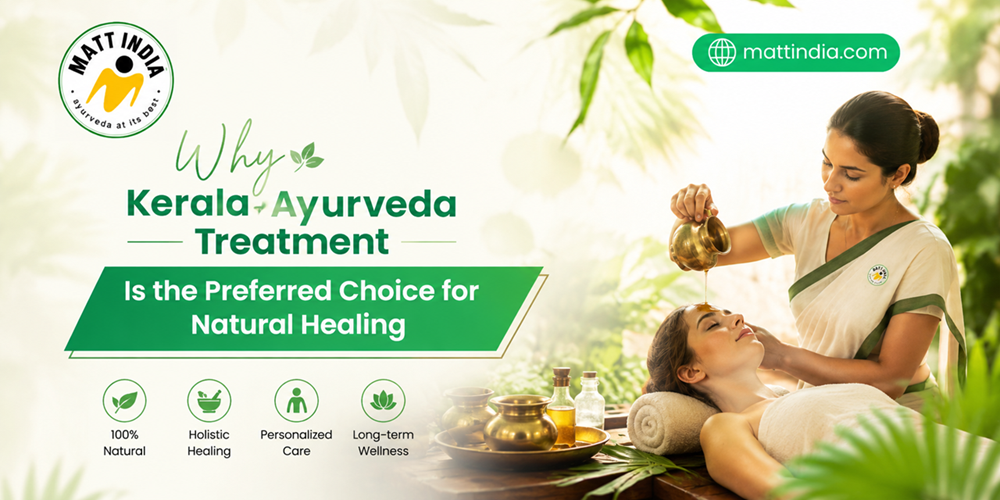
The field of natural wellness has begun to cross over into everyday conversations around healthcare. People, in India and abroad, no longer look for quick relief of symptoms alone: they ask simple questions such as “How can I feel better without neglecting sleep, food, stress & daily habits?” It is this shift that has led to the popularity of Kerala Ayurveda treatment which combines therapy with diet, even essential oils and practices.
Real programmes start with consultation, goes on till selective therapies and usually offers guidance regarding meals, sleep and post-treatment conduct. Hence, visitors in search of natural healing come to Kerala not just for the picturesque surroundings but also for its living heritage of Ayurvedic medicine.
Why Is Kerala Known for Authentic Ayurvedic Healing?
Ayurveda is a living system of care, not just an idea or tourism theme, and Kerala has preserved it as such. Vaidyas have iterated this across generations in their families; conditions are established and practitioners trained at colleges, hospitals and recognised centres. Moreover, the availability of its tradition of preparing medicated oils and herbal formulations goes a long way towards promoting a more intensive treatment culture in Kerala.
There is also a climate factor involved as well. Practitioners of kalariya favour oil-based rejuvenation also known as marma during monsoon for cooler dusty-free climes. Additionally, the Western Ghats sustains abundant vegetation in traditional Indian medicine.
But authenticity is more than being in the right location. It needs professional doctors and well-prepared assessment to prepare an individual plan. No matter how nice the view over backwaters, a good clinician supervision cannot be replaced. Get details on Kerala Ayurveda-Verjüngungspakete.
What Treatments Can You Expect at an Ayurveda Retreat in Kerala?
The right therapy depends on constitution, symptoms, age, digestion, strength and medical history. Therefore, a responsible doctor will not recommend one package to everyone.
Panchakarma and Ayurvedic detox programmes
Panchakarma treatment in Kerala refers to preparatory, cleansing and restorative procedures. It may involve oil application, therapeutic sweating, regulated diet and selected classical procedures under supervision. Although often advertised as a simple “detox”, an authentic programme can be intensive and may require seven to twenty-eight days.
A doctor may divide the programme into preparation, main procedures and recovery. As a result, guests need enough time to rest rather than fitting intensive treatment between sightseeing trips.
Abhyanga, Shirodhara and Nasyam
Abhyanga is a rhythmic Ayurvedic massage therapy using medicated oil selected for the individual. People commonly seek it for relaxation and stiffness. Meanwhile, Shirodhara involves a steady stream of liquid over the forehead and often supports relaxation routines. Nasyam uses nasal preparations and should follow clinical assessment.
Other therapies include Kizhi, Pizhichil and localised oil treatments. Each has a different purpose, so guests should not choose therapies as though ordering at a salon.
|
Therapy |
Typical session or programme length |
Main wellness aim |
Often selected for |
|
Abhyanga |
45–60 minutes |
Relaxation and oil nourishment |
General fatigue, stiffness and wellness care |
|
Shirodhara |
30–45 minutes, often as a course |
Calming routine and sleep support |
Stress, mental tiredness and disturbed sleep |
|
Kizhi |
30–60 minutes |
Local warmth and muscle comfort |
Stiffness and activity-related discomfort |
|
Nasyam |
Short procedure within a supervised course |
Traditional head-and-neck care |
Selected sinus or head complaints |
|
Panchakarma programme |
Commonly 7–28 days |
Individualised cleansing and restoration |
People suitable for supervised intensive care |
These durations are broad planning ranges, not prescriptions. A vaidya may shorten, extend or avoid a therapy after examination. Get Kerala Ayurveda Packages.
Kerala Ayurveda and Conventional Treatment: What Is the Difference?
Kerala Ayurveda concerns itself with the whole person, habits, diet and food digestion as well as healing from stress. Normally, conventional medicine is best at diagnosis, crisis response, surgical treatment, controlling infections and special management for disease.
Thus, the systems should not be pitched against another. Often one side or the other makes more sense, but in so many instances coordinated care is what we really needed.
|
Parameter |
Kerala Ayurveda approach |
Conventional medical approach |
|
Core focus |
Personalised balance, lifestyle and gradual recovery |
Diagnosis, symptom control and disease-specific treatment |
|
Consultation style |
Digestion, sleep, diet, constitution and habits assessed |
Medical history, examination, tests and clinical diagnosis |
|
Usual duration |
Often several days or weeks for residential programmes |
May range from one visit to long-term management |
|
Medicines and therapies |
Herbs, oils, diet, routines and manual therapies |
Pharmaceuticals, procedures, surgery and rehabilitation |
|
Side-effect considerations |
Natural products may interact or cause harm; quality matters |
Medicines and procedures have recognised risks and protocols |
|
Indicative private cost |
Depends on centre, room and programme intensity |
Depends on country, hospital, insurance and procedure |
|
Recovery focus |
Rest, digestion, routine and sustainable habits |
Disease control, measurable outcomes and functional recovery |
Because price structures are very different, direct comparisons can lead to a wrong conclusion. A retreat may charge you for room & board, consultations and therapies combined, but a hospital bill will itemise them. Therefore, it is advisable for travellers to obtain the inclusions in writing prior to making any bookings.
What Health Benefits Do People Seek from Kerala Ayurveda?
The vast majority of visitors with structured rest, generalised stress relief, enhanced dynamics and long-established pain. Programmes can help some people to feel calmer or more consistent in their diet and movement. Yet results change, and evidence is therapy- and condition-specific.
|
Common concern |
Ayurvedic programme may include |
Realistic wellness goal |
|
Stress and mental fatigue |
Shirodhara, oil therapy, yoga, breathing and rest |
Relaxation and better stress management |
|
Poor sleep routine |
Calming therapies, fixed meals and reduced screen time |
Improved sleep habits and evening relaxation |
|
Muscular stiffness |
Abhyanga, Kizhi and guided movement |
Comfort, mobility support and reduced tension |
|
Digestive irregularity |
Personalised meals, herbs and routine correction |
Regular eating and improved digestive awareness |
|
General fatigue |
Restorative diet, gentle therapies and adequate sleep |
Better recovery and daily energy management |
|
Chronic lifestyle concerns |
Doctor-led diet, activity and behaviour plan |
Sustainable habits alongside medical care |
Research continues, but not every traditional claim has strong clinical proof. Global health authorities call for better evidence, quality control and safety monitoring. Tradition carries value, while evaluation helps identify what works and for whom. Get Body Purification Therapy.
Why Do Kerala’s Climate, Herbs and Vaidyas Matter?
Kerala’s strength lies in its combination of environment and expertise. Freshly prepared oils and herbal mixtures form part of many programmes. Furthermore, experienced therapists may perform the same procedures daily for years, developing consistency that an ordinary spa may not match.
The vaidya remains central. During consultation, the practitioner may ask about appetite, sleep, stress, illness, medicines and work routine. After that, the doctor selects therapies and reviews progress.
July and August is the best in terms of monsoon attracting numerous wellness travellers. But the Ayurveda system of treating is available all along. Sightseeing people might go in the drier months and indoor-retreat people will enjoy the rainy season.
Related Services:
» Kerala Ayurveda Treatment: Bridging Poland to India
» Kerala Ayurveda Digestive Health Package
» Panchakarma Therapy In Kerala
» Ayurveda- und Yoga-Urlaub in Kerala, Indien
» Kerala Panchakarma Ayurveda Treatment Package
» Ayurvedic treatment package for respiratory diseases
» Kerala Ayurvedic Anti-Aging Package in Matt India
» Kerala Ayurveda Beauty Package at Matt India
» Kerala Ayurveda Stress Management Package
Who Should Consider an Ayurvedic Healing Programme?
Adults wanting restorative rest, stress management or supervised complementary care may be well suited to Kerala’s programmes. It’s also targeting travelers looking for a culturally grounded holistic wellness experience in Kerala instead of a generic luxe-resort vacation.
Nevertheless, intensive cleansing is not something that matches everyone. Those who are pregnant, frail, young children, recovering from surgery and with unstable clinical status should seek individual medical advice.
Similarly, those who are on prescription medicines should provide the full list of medications to both the Ayurvedic doctor and conventional physician. “Natural” certainly does not mean without risk, and herbal products may have interactions with medicines.
Related Articles:
» Ayurvedic Healing with a Side of Adventure: Kerala Nature Tours
» Best Kerala Ayurveda Packages for Detox, Healing, and Relaxation
» Ayurveda and Traditional Healing Practices in Kerala
» Benefits of Shirodhara Massage in Ayurveda Healing
» Kerala Ayurveda: Natural Treatments & Therapies
How Can You Choose a Genuine Ayurveda Centre in Kerala?
Do not begin with the brochure, begin with the doctor. Time for verification, demand consultation before therapy, and ask whether trained therapists are working under supervision. Also search for cleanliness, plans marked and medicines labelled.
A good Ayurveda retreat in Kerala will tell you what a programme can do and what not to expect from it. It is not going to give you guaranteed cures, push you off prescribed medicines or promote similar Panchakarma packages for each guest.
Then look at accommodation, meals, airport transfer and why follow-up therapy or support sessions are worth your money and discover price differences. A headline price may be low excluding medications, consultations with specialists or additional procedures.
It was unusual Ayurvedic knowledge, medicinal plants, experts and an eternal peaceful surroundings in Kerala. Hence, it is still a first destination among voyagers who are searching for Ayurvedic treatment in India.
MATT INDIA introduces wellness travellers to meticulously curated Ayurveda experiences that integrate suitable treatment, comfortable stays and the cultural context of Kerala. When combined with the appropriate centre and realistic expectations, natural healing becomes less a vacation experience. It might set the stage for healthier habits well after your sailing trip has settled.
FAQs: Why Kerala Ayurveda Treatment Is the Preferred Choice for Natural Healing
Yes, they can indeed be a good fit for someone starting out with basic wellness therapies as long a qualified ayurvedic doctor examines the some one first. The high-powered variety of Panchakarma procedures need more monitoring and may not be appropriate for everyone.
The costs depend on the center, kind of rooms, therapy depth and class length chosen. While the basic wellness packages can range from a few thousand rupees per day, medically supervised residential retreats may cost multiple times more than that
A rest or revival programme may be perfect for seven to fourteen days. But a regular Panchakarma or chronic-care course can last for up to 21-28 days, based on the observations made by the doctor.
This period covers most of July and August which is the season of the much-awaited, seasonal monsoon & Karkidakam in Kerala. But there are some specific centres which provide Ayurveda treatment throughout the year.
Ayurveda centres more into routines, diet or digestion, tension and equilibrium within us. But in western medicine, clinical diagnosis and tests, pharmaceuticals, surgery and disease-specific interventions tend to rule.
Pregnant people, frail adults, toddlers and people with unstable medical conditions should avoid intensive detoxification unless specifically approved by qualified doctors. Still other drugs, recent surgery can also impact whether it is a good fit.
While many Ayurvedic herbs and practices have some research associated with them, the level of evidence is highly variable. However, most of the conventional athlete insurance claims and therapy combinations require more clinical studies with high-quality evidence.
Day one is generally an intensive and thorough consultation including looking at the symptoms, sleep, digestion, diet, medicines and medical history. After this the doctor creates a schedule of therapies, meals and daily routine according to their results.
Choose an authentic centre same as ASHA Ayurveda with experienced Ayur Mahasadhaks, trained therapists, hygiene and medically supervised treatments. Avoid centres that promise cure within a week or treat you with therapy without knowing your medical history.
Adhere to the prescribed diet, sleep regimen and progressive resumption of physical activity. Additionally, stay with only those herbs or medicines which are particularly recommended by your physician.
The Ayurveda may complement the handling of stress, routines, sleep, mobility and general well being. But this cannot be a substitute for basic medical diagnostics, prescribed drugs or emergency treatment.
And yes, they can be combined when both health care providers are aware of every single medicine/herb/therapy involved. This coordination of care reduces the risk of interactions, duplication and unsafe treatment changes.