
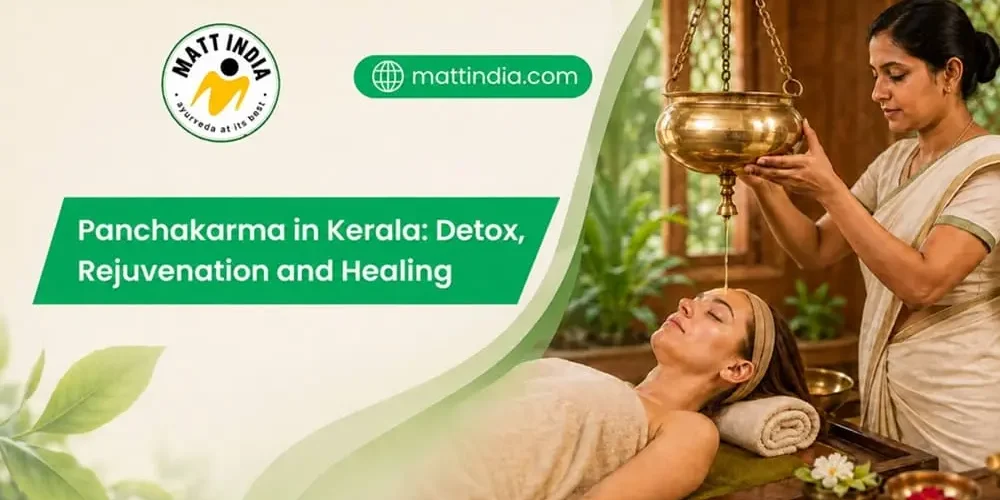
Kerala has had its connection with Ayurveda – not as a wellness trend but as one of living sustained traditions of health care for centuries. Panchakarma in Kerala is one of the most globally recognised cleansing, rejuvenation and comprehensive health maintenance programmes among the plethora of Ayurvedic therapies practised here.
Panchakarma is a structured Ayurvedic process, unlike an instantaneous spa detox. Initially, the doctor examines your body constitution, digestive system and present health challenges. Then, treatments are determined based on your specific requirements. Consequently, two people who go to an Ayurvedic centre may be put on entirely different programmes.
Kerala Panchakarma Treatment is a traditional treatment that heals the physical body and also brings relaxation to individuals who are suffering from tiredness, poor digestion or simply stress, stiffness and general feeling of imbalance.
What Is Panchakarma in Ayurveda?
In simple words, Panchakarma is a Sanskrit term that means five classical Ayurvedic purification methods. However, numbers cannot supplement the other therapies that make up a Panchakarma programme.
In traditional treatment, there are the phases of preparation, cleansing and healing. So it is not enough to excrete waste into the body itself. Ayurveda also provides support to digestive health, metabolic balance and condition the body for rejuvenation.
Specific therapies such as oil massage, herbal steam, internal oleation, medicated enemas, nasal therapies or other classical procedures may be recommended by your Ayurvedic physician based on their evaluation of the person.
Most importantly Panchakarma therapy is supposed to be done under proper Ayurvedic supervision and not a home detox.
Why Kerala Is Famous for Panchakarma Treatment
True Ayurveda finds its shelter in Kerala. The climate is suitable for curative methods (most Ayurvedic plants grow in this climate) and seasoned practitioners, in addition to which historically the region retained classical treatment methods over centuries.
In addition, some Ayurvedic centers in Kerala still prefer the centuries-old method of processing herbal oils and medicines.
One of the primary reasons travelers visit Kerala is due to its treatment-friendly atmosphere. No more rushing about to appointments because patients will follow a quieter regime of therapy, Ayurvedic food, rest and gentle movement and sleep.
So Ayurvedic Panchakarma in Kerala is less like a medicinal treatment and more like an upscale healing hideaway.
Panchakarma for Detoxification
Today, the demands on the body are constant. Missing out on regular meals, processed food, less sleep, pressure at work and lesser movement may make a person feel lethargic or heavy.
So many such derangements according to Ayurveda are due to low digestive and metabolic capacity.
For example, while undergoing an Ayurvedic detox programme in Kerala, treatments are designed to gradually prepare the body for deeper cleansing. For instance, oil based treatments tend to soften tissues; herbal steam helps support the preparatory process.
Later on, the physician selects proper cleansing therapies according to individual requirements.
Thus, Ayurvedic detox is not based on starving the body or just living on juices. Panchakarma is a holistic scheme (not just preparing the medicinal plants and their therapeutic procedure) with a comprehensive diet, rest but also medicating herbal preparations during its regime.
Panchakarma for Rejuvenation
So, Cleansing is just one part of Panchakarma. Just as vital is rebuilding strength following the cleansing phase.
In Ayurveda, this regenerative approach is called Rasayana or rejuvenative therapy. In this stage under natural and herbal preparations, the gentle therapies of cleansing are administered to the body.
This makes for a cleansing but invigorating experience of the programme to many guests.
A well-managed Panchakarma rejuvenation treatment will help you regulate your sleep patterns, energize your body and mind, improve digestion along with reducing stress. However, the results depend on age, health status, duration of treatment and many lifestyles.
Above all, Panchakarma asks people to pause. That simple change in a setting can have a significant impact when someone has spent months or years living under unrelenting pressure.
Common Therapies Used During Panchakarma in Kerala
Treatment varies from person to person. Nevertheless, a traditional Panchakarma programme may include some of the following therapies.
Abhyanga
Abhyanga is a type of Ayurvedic oil massage using warm herbal oils based on the needs of the person.
This therapy helps you relax and makes your body ready for further treatments. Moreover, it could help minimize muscle tightness and allow a sensation of bodily relief.
Swedana
Swedana is the therapeutic herbal steam. You are typically used immediately following oil and helps to prepare the system as it undergoes purging.
Virechana
Virechana is an ancient medical therapeutic emesis procedure. That said, it is not for everyone. Here, hence an Ayurvedic physician before prescribing it must investigate the patient.
Basti
Basti requires the introduction of certain herbal or oil based medicinal formulations by the healthcare professional through rectum.
Within classical Ayurveda, Basti treatment holds an important place, particularly when addressing Vata-related imbalance.
Nasya
Nasya involves the administration of medicated herbal preparations through the nasal passages. Depending on the condition, it may form part of a broader Panchakarma programme. Get Panchakarma Therapy In Kerala.
Health Concerns People Commonly Seek Panchakarma For
People visit Kerala for Ayurvedic treatment for many different reasons. Some seek support for a particular health concern, whereas others simply want a period of recovery and rejuvenation.
Common reasons include:
- Digestive discomfort and irregular digestion
- Physical fatigue
- Mental stress
- Disturbed sleep
- Muscular stiffness
- Joint discomfort
- Reduced energy
- Lifestyle-related imbalance
- General wellness and rejuvenation
- Recovery after prolonged physical or mental strain
But Panchakarma definitely does not replace emergency or basic medical treatment. Those with a diagnosed health condition also need to let the Ayurvedic doctor know of their medical history and present medicines before starting treatment.
How Long Does Panchakarma Treatment Take?
Ayurvedic wellness programmes may last up to approximately a week’s duration. But, on the other hand, detoxifying and revitalizing treatments usually need extended times.
Most guests opt for 14-day Panchakarma programmes, whereas those who need more time on the grounds of their ailments and physician advice remain for longer lengths (21/28 days).
Typically, the longer you stay in a warm uterus prompts you to get through preparation, cleansing and recovery without forceful rushing.
Nevertheless, treatment duration should still be determined by clinical judgment and not solely on the availability of a holiday. Get Kerala Ayurveda Packages.
Ayurvedic Diet During Panchakarma
During Panchakarma, food constitutes a significant part.
The Ayurvedic physician would prescribe the opposite diet of heavy, complex meals and in place suggest simple, easily digestible food. The traditional diet plan could features rice preparations, cooked vegetables, herbal drinks and light meals.
Also, the meal timings tend to be more fixed.
In deeper cleansing phases stricter dietary restrictions may be introduced. Foods are then slowly added back in as digestion becomes stronger afterwards.
Hence the prescribed diet is not an optional component of Panchakarma treatment in Kerala. It supports the therapy itself.
Related Services:
» Rejuvenation Therapy in Kerala
» Kerala Ayurveda Joint Care Package
» Kerala Ayurvedic Detox Package
» Kerala Ayurveda Anti-Aging Package
What to Expect During a Panchakarma Retreat in Kerala
Your day at an Ayurvedic retreat usually starts off slow, which is a stark contrast to the fast-paced lives many of us live at home.
Following consultation, guests engage in prescribed therapies at designated times. Meals, on the other hand, are based on Ayurvedic dietary prescriptions.
The day can further include Meditation, Gentle Yoga, Breathing Practices, Consultation or Rest depending on the programme.
Most importantly, you tend to avoid physical abuse and keep late nights with booze and other foods that are not right for you.
The slower tempo allows the body to adjust and respond to treatment.
Related Articles:
» Panchakarma Before and After: What Changes Can You Expect?
» Panchakarma for Stress Relief: Experience Authentic Healing in Kerala
» Traditional Panchakarma Therapy in Kerala for Mind and Body Detox
» Kerala’s Ayurvedic Secret: Transform Your Health with Panchakarma
» Unique Kerala Ayurveda Packages: From Panchakarma to Rejuvenation
Panchakarma Is Personal, Not a Standard Package
A common misconception is that Panchakarma implies getting the same series of massages each day.
Actually, authentic Ayurveda works differently.
The doctor can alter oils, herbal preparations, therapy intensity or diet along the way. And in addition treatment can vary based on digestion, sleep, bowel movement, energy levels and other clinical signs.
As a result of which, tailored medical supervision features as one of the key elements while selecting a Panchakarma Centre in Kerala.
Why Choose MATT INDIA AYURVEDA for Panchakarma in Kerala?
MATT INDIA AYURVEDA Panchakarma. Traditional Ayurvedic principles, a personalised assessment and treatment in a calm environment. AddImage
The programme is comprehensive with consultation, treatments, diet, rest and lifestyle guidance instead of looking at Ayurveda as a mere series of relaxation massages.
The health history and body constitution of every individual is different. Thus, the treatment recommendations should also differ.
For Ayurvedic purification or detoxification, stress relief, body rejuvenation or bringing daily balance, the right Panchakarma programme starts with a proper consultation.
Kerala provides the setting. Traditional Ayurveda provides the method. But the most important aspect is time, take time to stop and listen to your body, allow it sufficient time in order to adapt.
FAQs: Panchakarma in Kerala: Detox, Rejuvenation and Healing
Panchakarma IS THE Traditional Ayurvedic CLEANSE & REJUVENATION PROGRAMME It may comprise oil therapies in preparation, herbal steam, specified purification practices; diet and a recuperation stage guided by Ayurveda medical supervision.
No. While cleansing is a critical component of Panchakarma treatment, the other side focuses on restoring digestion and energy levels and balancing up (the mind-body system). This is the cleansing phase, and it is usually followed by rejuvenation therapies.
Kerala on the other hand has a very long history of Ayurveda, skilled practitioners, availability of many traditional plant based preparations in herbal form and suitable weather conditions which suits many Ayurvedic treatments. This is the reason many people in India and out of India travel to Kerala for Panchakarma.
Treatment duration depends on the individual. Some wellness programmes last 7 to 10 days, while more detailed programmes may continue for 14, 21 or 28 days.
Most preparatory Ayurvedic therapies are gentle and relaxing. However, certain classical cleansing procedures can feel demanding. A qualified doctor should therefore select procedures based on your health and tolerance.
Yes. India is the birthplace of Ayurveda, and Kerala has become a popular destination for international travellers pursuing Ayurveda and Panchakarma retreats. Nevertheless, they ought to discuss specifically in regards to the medicinal situation, allergies and medicines that they are taking during therapy.
If the programmes are thus mild, light work may occasionally be permissible. Still deeper Panchakarma tends to work best when professional duties are made less demanding and ample time is taken for rest.
The diet generally includes fresh, warm and easy-to-digest Ayurvedic meals. However, the exact diet depends on the stage of treatment and the doctor’s advice.
The structured routine, oil therapies, restful environment and reduced stimulation may support relaxation and better sleep. However, Panchakarma should not replace professional mental healthcare when such care is required.
Such as dryness, Pregnancy, severe debility, some acute diseases and several medical conditions might deem Panchakarma procedures inappropriate. Before commencing treatment, it therefore is imperative to undergo medical investigations.
Cooler and monsoon seasons have been often considered favourable for certain oil-based treatments in traditional Ayurveda. Nevertheless, properly run Ayurvedic centres offer Panchakarma programmes for most of the year depending on individual qualification.
Consider qualified Ayurvedic doctors, proper treatment and consultation facilities, hygienic therapy rooms as well programs based on classical Ayurvedic principles. Also go to a centre which explains the treatment plan clearly instead of offering same package for everyone.