
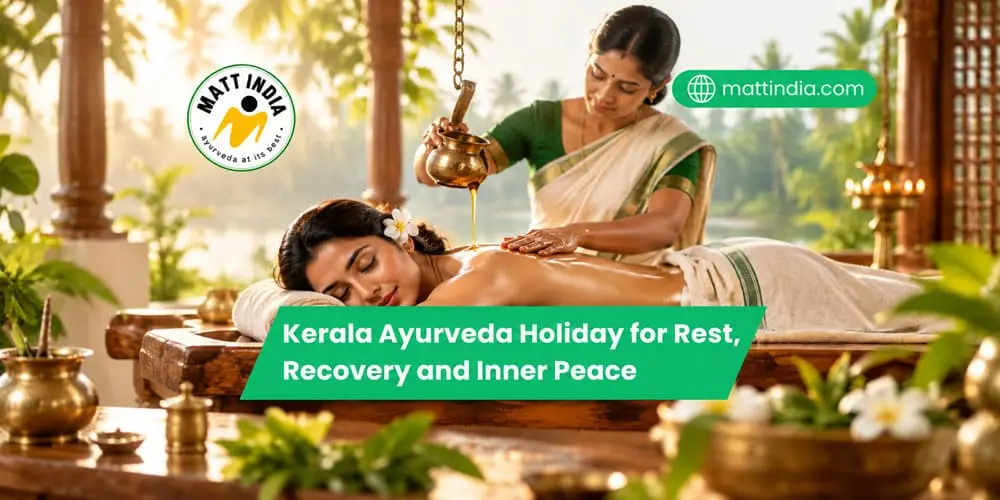
The rainy season in India runs from June through September. During this time, many of the ayurvedic resorts have developed special seasonal programs that allow people to seek rejuvenation during the rainy season. In addition to providing a beautiful backdrop of green vegetation and cooler temperatures than are experienced throughout the rest of the year, the rainy season offers a great opportunity for people to participate in rejuvenating treatments.
During the months of July and August, Karkidakam is culturally relevant to many Indians, as well as being culturally relevant outside of India. During the month of Karkidakam, there is a renewal period called Karkidakam that lasts the whole month.
Why Monsoon Is Traditionally the Best Season for Rejuvenation Treatment in Kerala
As specified by traditional ayurvedic literature, each of the three doshas (vata, pitta, and kapha) alter with respect to the seasons. According to practitioner’s views on the matter, vata can grow considerably during the monsoon season. In addition, vata signifies movement, dryness, and some forms of bodily discomfort.
As such, Ayurveda suggests that we alter our daily eating habits, physical activities, and medical care based on the season.
Many people view the cooler weather and increased humidity of this year’s current season as opportunities to use oil-based products. They believe the body can utilize the benefits of these revitalizing products during this time.
To date, however, there is no scientific data suggesting that the monsoon enhances the efficacy of ayurvedic treatment as compared to those performed at other times during the year. Get Kerala Ayurveda Therapy.
Karkidakam Chikitsa: Kerala’s Traditional Monsoon Wellness Practice
The last month of the Malayalam calendar (Karkidakam) begins sometime in mid-July and ends in mid-August.
For generations, Kerala households have followed seasonal wellness practices during this time of year. Today, Ayurveda hospitals and retreats are keeping up with these traditions by offering Karkidakam Chikitsa, a program which can include oil therapy, prescribed herbal remedies, nutritional advice, and rest.
The tradition of Karkidaka kanji is a well-established practice. Karkidaka kanji is a hot rice porridge made from specific herbs. There are many different ways that families prepare this dish, and Ayurvedic physicians can suggest specific ingredients based on an individual’s health requirements.
In order to achieve these goals, you will need to consume balanced meals, obtain adequate sleep each night, limit strenuous activity during the day, and follow the treatment plan prescribed by an experienced Ayurvedic practitioner (or Vaidya). Get Kerala Ayurveda Packages.
Popular Ayurvedic Rejuvenation Therapies in Kerala
At a genuine Kerala Ayurvedic retreat, no individual is treated identically. An Ayurvedic practitioner will review your previous health history, current health concerns, and future health/wellness goals to help them decide which therapies/treatments are best suited for you.
Abhyanga Massage: Warm Herbal Oil Therapy
An abhyanga massage uses heated oils and a gentle stroking pattern to promote relaxation and ease some of the every day muscular tension experienced by a large number of individuals.
Shirodhara: A Quiet Moment for the Mind
During Shirodhara, a thin stream of warm liquid (generally medicated oil) flows slowly onto the forehead, as directed.
The experience can be extremely relaxing, however, there has been very little documentation showing that the experience can treat specific medical issues.
Njavara Kizhi: Traditional Rice-Bolus Therapy
The process of njavara kizhi involves massaging an individual with warm packets of specially prepared medicinal rice wrapped in a soft cotton cloth.
Previously, clinicians had incorporated it into a number of rejuvenation programs, particularly programs focusing on physical nourishment and providing a feeling of well-being.
Panchakarma: A Physician-Supervised Treatment Programme
Panchakarma is an ancient Indian healing art which is still practiced today. It has many different ways to apply oils to your body prior to beginning the treatment. The actual treatment involves sweating out toxins from your body. Finally, there are some very unique ways to cleanse your body.
Panchakarma is not simply a type of massage, nor does it represent a scientifically based method to eliminate unspecified toxins from an individual’s system. Rather, there are several additional components of the overall process that must be closely monitored and assessed.
Rasayana Chikitsa: Rejuvenation and Recovery
Rasayana Chikitsa involves maintaining a healthy body through Ayurvedic methods that involve changing one’s diet, altering their lifestyle, and receiving special treatment.
This herb is known to promote healthy aging and vitality as part of the practice of Ayurvedic medicine, however, it can not be said with certainty that this herb will prevent disease and/or reverse the effects of aging. Get Rejuvenation Therapy in Kerala.
Ayurvedic Therapy Comparison: Which Treatment Should You Choose?
|
Therapy |
Typical session duration |
Traditional purpose or potential benefit |
Often chosen for |
|
Abhyanga |
45–60 minutes |
Relaxation and physical comfort |
Tension and fatigue |
|
Shirodhara |
30–45 minutes |
Calm and relaxation |
Stress-related discomfort |
|
Njavara Kizhi |
45–60 minutes |
Warmth and body nourishment |
Selected rejuvenation plans |
|
Panchakarma |
Multi-day programme |
Traditional cleansing procedures |
Physician-assessed needs |
|
Rasayana |
7–21+ days |
Lifestyle-based rejuvenation |
General wellness routines |
Monsoon Ayurveda Packages in Kerala: Duration and Cost
The first seven days of your first wellness visit will give you time to meet with a doctor, get some rest, complete some of the less invasive procedures, and modify how you eat.
The first choice is a two-week (14 day) program that has more of a routine set-up per day. Some patients will opt for the three-week (21 day) program as well; however, this option should be selected when a physician recommends it to extend the length of time that you are receiving therapy. Get Kerala Ayurveda Body Immunization Therapy.
Approximate Ayurveda Treatment Cost in Kerala
The Ayurveda treatment cost in Kerala depends on accommodation, physician supervision, therapies, medicine, and meal inclusions.
|
Programme |
Approximate cost per person |
Suitable for |
|
7 days |
₹45,000–₹1,20,000 |
Introductory wellness retreat |
|
14 days |
₹85,000–₹2,40,000 |
Longer rejuvenation programme |
|
21 days |
₹1,30,000–₹3,60,000 |
Extended physician-guided care |
Kerala Monsoon vs Other Seasons: When Should You Visit?
The best time for Ayurveda treatment in Kerala depends on whether you value traditional seasonal practices, comfortable sightseeing weather, or lower accommodation prices.
|
Factor |
Monsoon: June–September |
October–February |
March–May |
|
Weather |
Rainy, humid, cooler |
Generally drier, pleasant |
Hotter, humid |
|
Tourist crowds |
Often fewer general tourists |
Higher tourist demand |
Variable |
|
Pricing |
Seasonal offers possible |
Often higher |
Discounts possible |
|
Therapy effectiveness |
Traditionally favoured; no proven seasonal advantage |
Depends on treatment and health |
Depends on treatment and health |
|
Availability |
Retreats open; rain affects outings |
Popular stays book earlier |
Often flexible |
Rainy weather can also disrupt outdoor activities. Therefore, a monsoon retreat works best when treatment, rather than sightseeing, remains your priority.
Diet and Lifestyle During Ayurvedic Rejuvenation
Most centers suggest fresh food, which can be easily digested and are modified based upon an individual’s diet requirements. Rice gruel, cooked vegetables, lentils, and hot water can all be included in this meal plan.
Additional common health recommendations for the Kerala monsoon season include drinking only safe water, using mosquito repellent, and wearing dry shoes.
During treatment, it is logical to avoid consuming alcohol, smoking cigarettes, eating large meals, and participating in strenuous activities. Yoga that is gentle on your body, as well as walking, can be appropriate for many of our guests. Some of our guests will require more time off.
Avoid taking herbal medications that you prescribe for yourself while you are on prescription medication.
Related Services:
» Kerala Ayurveda Weight Management Package
» Kerala Ayurveda Rejuvenation Package
» Kerala Ayurveda Joint Care Package
» Kerala Ayurvedic Detox Package
» Kerala Ayurveda Anti-Aging Package
How to Choose Authentic Ayurveda Centres in Kerala
Before booking, ask these questions:
- Is there a qualified, appropriately registered Ayurvedic doctor that conducts your initial consultation?
- Does the centre hold the required registrations and approvals?
- Can you verify its current Kerala Tourism classification, if claimed?
- Are treatment rooms, equipment, kitchens, and accommodation hygienic?
- Does your physician review your current medications, medical history, and any potential drug-drug interactions?
- Will you receive a clear treatment schedule and itemised quotation?
- Is qualified medical support available if you develop a complication?
Kerala Tourism has introduced new classification schemes (Ayur Silver, Ayur Gold, and Ayur Diamond) that are being used as a replacement to the previously used Green Leaf and Olive Leaf classification schemes for newly classified centers.
A centre’s current approval should always be verified independently.
Related Articles:
» Why Choose Kerala for Rejuvenation Therapy?
» What Is Included in a Basic Ayurveda Package in Kerala?
» Mind-Body Healing Through Ayurveda in Kerala
» Kerala Wellness Holiday With Ayurveda Rejuvenation
» How Ayurveda Rejuvenation Restores Energy and Balance?
Who Should Consult a Doctor Before Ayurveda Treatment?
Pregnant, elderly, postoperative, and individuals with chronic medical conditions such as cardiac diseases , renal diseases and hepatic disease should consult with their doctor before scheduling an appointment.
Children and older adults need individual assessment.
Ayurvedic treatment may complement other forms of healthcare. However, it is not a replacement for a medical diagnosis based on scientific evidence. It is also not a cure for any disease or illness which has already been identified. Statements made about the cleansing properties of Ayurveda during the rainy season and the ability of Ayurveda to boost the immune system should not be interpreted as evidence that you will never become sick.
Experience the Monsoon Differently with MATTINDIA
The most memorable part of a vacation in Kerala for most people may be a complete day of relaxation and free time as opposed to a boat ride or visiting a place of interest.
At Mattindia Ayurveda, guests are urged to take part in the revitalisation programmes directed by the doctors, the ancient health practices of Panchakarma, yoga and meditation.
If you’re considering a rejuvenation treatment in Kerala during the next monsoon season, the first step is to consult with a doctor. After that, they will develop a personalized plan that includes the types of treatments you need, as well as an appropriate time frame for traveling and a reasonable budget.
The rain provides the atmosphere. The treatment plan provides the structure.
The estimates of the package above were based on the prices listed for Kerala Ayurveda centers, which include residential packages that provide patients with physician consults, treatments, meals, and accommodations. This is an example of what is typical, but not necessarily representative of the standard cost in the industry.
FAQs: Rejuvenation Treatment in Kerala During Monsoon Season
Yes, the monsoon season has been historically seen as an ideal time to receive Ayurvedic treatment in Kerala, particularly from June through September. Retreats will provide you with individual oil therapy treatments, Panchakarma assessments, and seasonal diet plans during this time. There are no known studies that have shown the effectiveness of Ayurvedic treatments are enhanced by rainfall.
July and August are popular times to visit Kerala for Ayurvedic rejuvenation. They fall within the traditional wellness period of Karkidakam. June and September can also be good months to plan a retreat during the monsoon season. Your choice of which month is best will depend upon your travel schedule, health needs.
The ancient Ayurvedic practice known as “Karkidakam Chikitsa” has been in use for centuries. It’s typically performed in the Malayalam month of Karkidakam, which runs from mid-July until mid-August. There are many aspects to Karkidakam Chikitsa including Abhyanga, the use of medicinal herbs, dietary modifications and resting.
The estimated price range for a 14-day residential Ayurveda package in Kerala is likely to be around INR 85,000 to INR 2,40,000. These estimates include accommodation, treatments, meals and professional medical supervision. It is advisable to request a full quote detailing your medication costs, consultation fees, transport to/from the airport, applicable taxes, as well as possible additional costs for treatment.
The number of days for Panchakarma treatment in Kerala will depend upon the specific recommended treatments, as well as an individual’s physical state. A seven-day period may provide some general health support; however. The length of time required for treatment must be determined by an experienced Ayurvedic doctor following evaluation of the patient.
The use of Ayurvedic rejuvenation may be appropriate for some people in Kerala when they are supervised. People should choose a qualified practitioner, tell them about all of your health problems, and not have any serious treatment done when you are sick or have a health issue that will keep you from being treated.
Treatment plans will vary depending on a person’s current level of overall health rather than just how old they are. Individuals who are older, have chronic illnesses, or are children will require additional evaluation prior to initiating any form of treatment.
Most Ayurvedic treatments during the monsoon season are based on the intake of freshly cooked rice, hot vegetable meals, soups and other easily digestible foods. Individuals should also restrict their intake of alcohol, excessive amounts of heavy food and water obtained from unhygienic sources.
Many of the Ayurvedic health centers that are found throughout Kerala generally suggest that you eat fresh rice, hot vegetable-based dishes, soup and other types of light food that can be easily digested during the monsoon season. In addition, some of the same Ayurvedic health centers may offer you the traditional Karkidaka Kanji.
Panchakarma is a larger scale of physician directed Ayurvedic treatment programs, which can involve prior treatments, as well as specific types of cleansing procedures. Unlike a typical spa message, Panchakarma involves clinical evaluation, adequate preparation, and close observation for potential adverse effects.
Choose a Kerala Ayurveda centre with qualified physicians, hygienic facilities, transparent package details, and verifiable registrations or approvals. Check any claimed Kerala Tourism classification. For a monsoon retreat, pack cotton clothes, sandals with good grip, an umbrella, essential medicines, medical records, mosquito repellent, and a light rain jacket.
Ayurvedic supervised retreat can help promote relaxation. However, there is limited clinical data to back up the claims that Ayurvedic rejuvenation enhances immunity, decreases susceptibility to infection and/or relieves stress-related disorders. If you are experiencing long-term stress, anxiety, trouble sleeping, or issues related to your immune system, please contact a licensed healthcare provider in conjunction with using the complementary wellness program.